Mga Pahina

Ipinapakita ang mga post na may etiketa na stress. Ipakita ang lahat ng mga post

Linggo, Abril 28, 2013

No Need To Stress Over Acne


We thought after high school or college life, acne will just fade away. Now that you are in twenties you still have acne—on your face, back, chest and other parts of your body--bothering since teenage years. Having acne can be beyond your thirties, fourties and even fifties. Don’t lose hope there are many acne treatments to cure and stop acne build-up. If you need help, you can do some research or ask a dermatologist for other options.

The most common causes of acne include the overproduction of oil, dead skin irritating hair follicles and accumulation of bacteria. The buildup of oil and dead skin within the hair follicles creates a perfect environment for bacteria to thrive.
Some myths about acne perpetuate, such as the notion that chocolate and greasy foods lead to acne. While it’s definitely better to not gorge on pepperoni pizza and Hershey bars, you can rest assured that indulging isn’t going to result in eruptions on your face the next day.
There is some scientific correlation between diet and acne. According to the Mayo Clinic, dairy products and carbohydrate-rich food can lead to the formation of acne.
Another myth in which many of us seek refuge is that acne is caused by stress. We cling to the hope that when life slows down and things are no longer hectic, our skin will calm down too. Unfortunately, that’s not entirely the case. Lisa Garner, a clinical professor of Dermatology at the University of Texas Southwestern Medical Center says that stress reduction won’t eliminate acne
According to a 2003 Stanford University study, college students had an increase in acne during exam periods because most acne is triggered by hormone production — in particular, androgens — which lead to the enlargement of sebaceous glands and cause increased oil production. While stress can cause fluctuations in hormone production, exacerbating acne by causing the binding of stress hormones to the stress receptors on sebum-producing cells, it’s not the actual cause of the acne.
Once acne begins to flourish, it’s tempting to scrub at it like there’s no tomorrow, but that’s not helping matters at all. In fact, scrubbing at acne can irritate it further. Instead, using tried and tested products, in addition to gently cleansing your face, can help keep acne at bay. Over-the-counter products such as benzoyl peroxide, salicylic acid and retinoids have been proven to help reduce the occurrence of acne. If over-the-counter products don’t cut it, a meeting with your dermatologist to discuss more stringent options, such as Accutane, may be in order.


Miyerkules, Abril 24, 2013

New Study Could Ease Acne Burden in Our Community


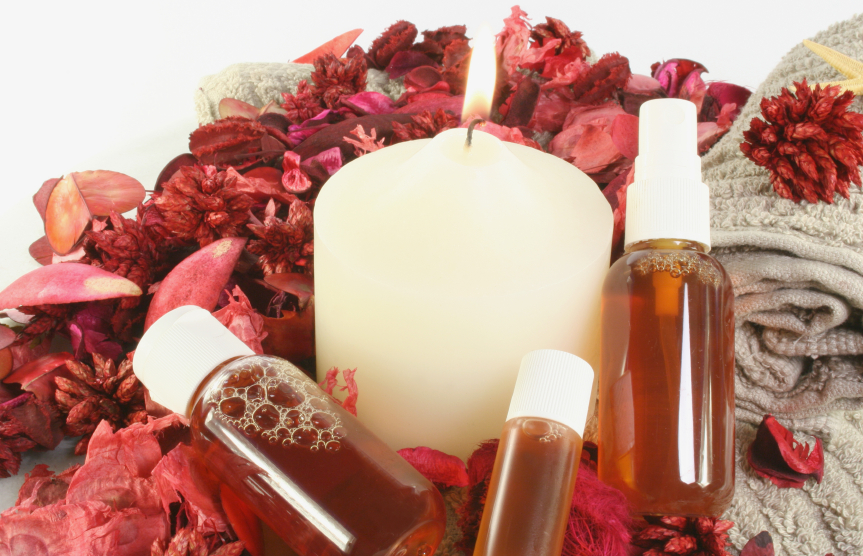
Despite the widespread of acne treatments, there are still millions of acne sufferers in different countries. Why is that so? Maybe some of the cures are not that effective, the products are not suitable for a skin type or the users are not following the instruction. A study of University of South Australia could benefit them as it is investigating essential oils and aromatherapy to be effective means to treat acne. The said university is also examining the psychological impact and cost comparisons with the conventional treatments.
Image
“The majority of teenagers will experience the physical symptoms of acne at some point during adolescence. In Australia, more than 80% of all teenagers have acne,” Ms Agnew says.
Image
“Current acne treatments include over-the-counter remedies and prescribed topical and oral medication. As acne is a multi-factorial disease, a combination of treatments is often recommended. But these multiple drug regimens are complex, can have side-effects, and poor adherence to treatment is common.”
Image
While the physical symptoms of acne typically last ‘on and off’ for between two and five years, Ms Agnew says the psychological effects from the disease can continue well into adulthood. An important component of the study will be evaluating whether any observed reduction in physical presentation through treatment with essential oils leads to a better quality of life for sufferers.
Image
“Acne can have lasting psychosocial effects, which are not often addressed,” Ms Agnew says.
“These symptoms can include anxiety, depression, impairment of emotional functioning, and low self-esteem and body image issues.”
Image
The study will enlist aromatherapy clinicians to treat two groups with essential oils, supplied by Sydney Essential Oil Company. A third group will continue their regular treatment routine and receive the essential oils product at the end of the trial period.
Image
“This will be the first known randomised controlled trial to examine the effectiveness of aromatherapy as it is practiced by clinicians,” Ms Agnew says.
“Essential oils have the potential to act via dermal absorption and their therapeutic properties make them potentially effective in treating bacterial infection, inflammation, pain and nausea.
“In vitro studies have found essential oils to be effective against the bacteria involved in acne Propionibacterium acnes - but there is a lack of clinical evidence to support the claims that essential oils will help reduce physical symptoms of acne, which is why this study is so important.
Image
“We will also be evaluating the cost-effectiveness of aromatherapy, as there is currently a lack of literature to see if there are any benefits in this area.”