Mga Pahina

Ipinapakita ang mga post na may etiketa na how to treat acne. Ipakita ang lahat ng mga post

Linggo, Abril 28, 2013

Not Going by the Acne Label


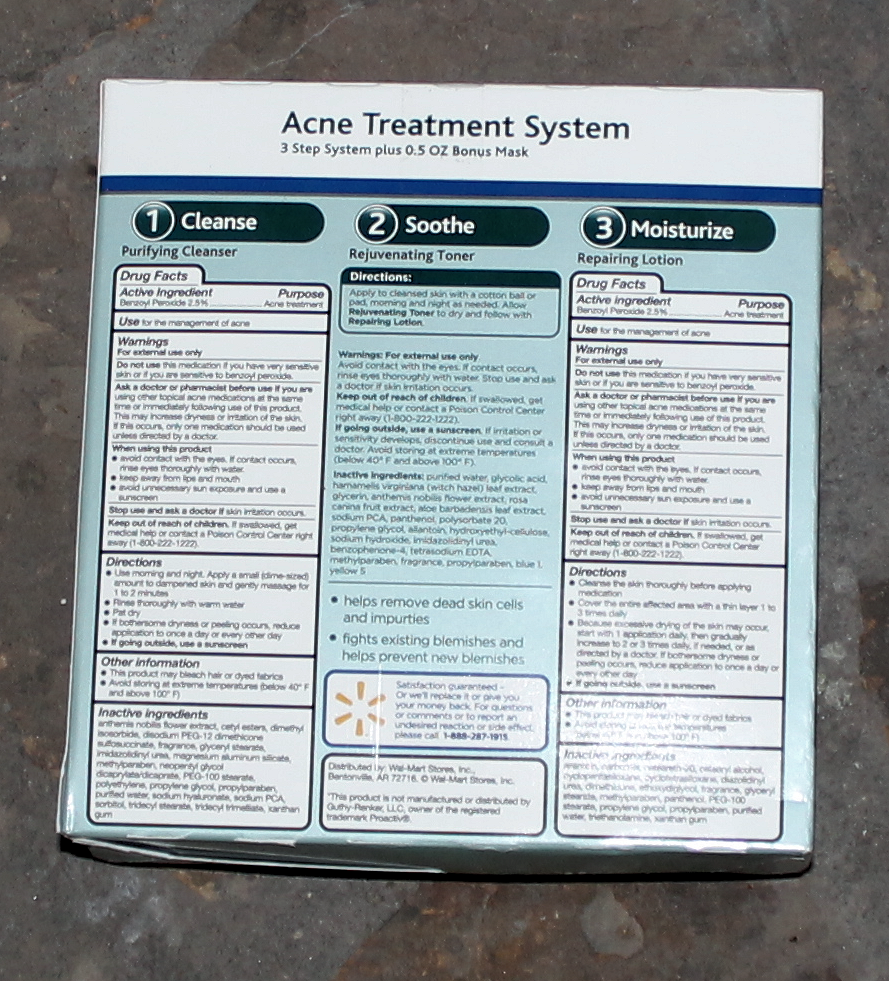
Many people experience horrible outbreaks. It is no fun having acne and very embarrassing. There are now various over-the-counter acne products that acne sufferers may take to control and to prevent it. The readers will know what to expect before trying a remedy and how to use through instructions. Just strictly never fail to follow the instructions.
Image
Zits and pimples can make even the most confident of individuals conscious about their looks. Despite this, teens and young adults with acne might not take medicines for the condition as instructed.
Less than 12 percent of young acne patients enrolled in Medicaid adhered to medication regimens to get rid of their pimples, a recently published study found.
Image
Combining topical medicines that reduce oil production with an antibiotic medicine might be a good choice for young acne patients given the costs and outcomes, according to the researchers.
Xi Tan, from the Department of Clinical, Social and Administrative Sciences at the University of Michigan, led a team of researchers investigating how often patients with acne adhered to their medicine. They also looked at the healthcare costs of acne medications and how those medications were used.
 Image
The study included more than 24,000 patients from January 2005 to December 2007. Almost 90 percent of the patients were under 18 years of age.
Image
Patients were listed in the Marketscan Medicaid Database, which tracks healthcare claims across the US. The researchers followed patients during the first three months after being prescribed an acne medicine.
Image
The researchers tracked the number of acne-related outpatient visits, acne medication adherence and total acne-related healthcare costs.
 Image
The researchers found that less than 12 percent of patients were adherent to acne medications on average.
 Image
Adherence rates were linked to a patient's age, gender, side illnesses, number of medicine refills and the number of medication classes used.
Miyerkules, Abril 24, 2013

New Study Could Ease Acne Burden in Our Community


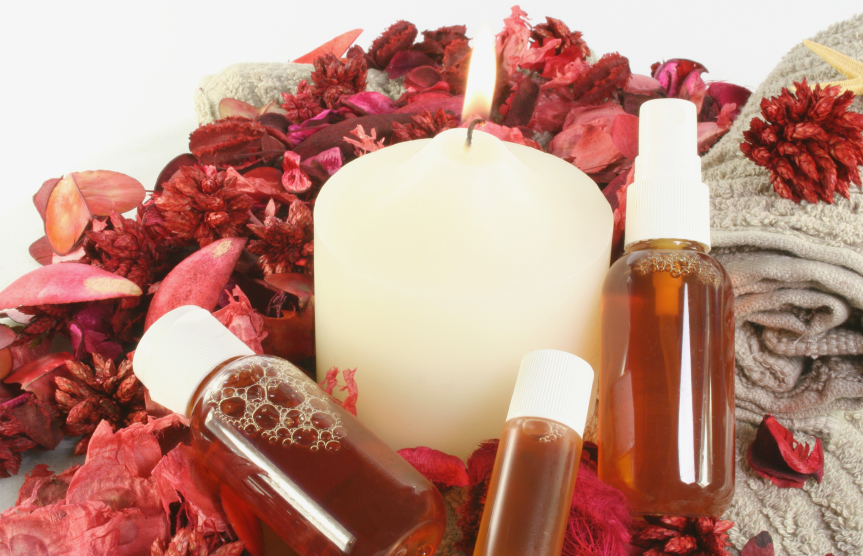
Despite the widespread of acne treatments, there are still millions of acne sufferers in different countries. Why is that so? Maybe some of the cures are not that effective, the products are not suitable for a skin type or the users are not following the instruction. A study of University of South Australia could benefit them as it is investigating essential oils and aromatherapy to be effective means to treat acne. The said university is also examining the psychological impact and cost comparisons with the conventional treatments.
Image
“The majority of teenagers will experience the physical symptoms of acne at some point during adolescence. In Australia, more than 80% of all teenagers have acne,” Ms Agnew says.
Image
“Current acne treatments include over-the-counter remedies and prescribed topical and oral medication. As acne is a multi-factorial disease, a combination of treatments is often recommended. But these multiple drug regimens are complex, can have side-effects, and poor adherence to treatment is common.”
Image
While the physical symptoms of acne typically last ‘on and off’ for between two and five years, Ms Agnew says the psychological effects from the disease can continue well into adulthood. An important component of the study will be evaluating whether any observed reduction in physical presentation through treatment with essential oils leads to a better quality of life for sufferers.
Image
“Acne can have lasting psychosocial effects, which are not often addressed,” Ms Agnew says.
“These symptoms can include anxiety, depression, impairment of emotional functioning, and low self-esteem and body image issues.”
Image
The study will enlist aromatherapy clinicians to treat two groups with essential oils, supplied by Sydney Essential Oil Company. A third group will continue their regular treatment routine and receive the essential oils product at the end of the trial period.
Image
“This will be the first known randomised controlled trial to examine the effectiveness of aromatherapy as it is practiced by clinicians,” Ms Agnew says.
“Essential oils have the potential to act via dermal absorption and their therapeutic properties make them potentially effective in treating bacterial infection, inflammation, pain and nausea.
“In vitro studies have found essential oils to be effective against the bacteria involved in acne Propionibacterium acnes - but there is a lack of clinical evidence to support the claims that essential oils will help reduce physical symptoms of acne, which is why this study is so important.
Image
“We will also be evaluating the cost-effectiveness of aromatherapy, as there is currently a lack of literature to see if there are any benefits in this area.”

Martes, Abril 23, 2013

Acne: Its Source and Most Effective Treatments

Acne is the most common dermatological conditions, affecting millions of people. It affects just everyone as long as his skin is prone to acne due to causes of acne like hormonal changes. As a result, it may bring devastating effects on person’s self-esteem – a person's overall emotional evaluation of his or her own worth. There are now many acne treatments applicable to anyone according to types of treatment. Just understand which methods of treatment work best for you.

What is acne?
Acne — also known as pimples, zits, blemishes and other similar euphemisms — occurs when the pores of your skin become clogged, in most cases by oils and makeup. Each pore contains a hair and an oil gland. Some skin types produce more oils than others, and this is why some people have worse acne than others. 

What causes acne?
According to PubMed Health, acne is most common in teenagers, but anyone can get acne, even babies. Acne tends to run in families and may be triggered by: 
  1. Hormonal changes related to puberty, menstrual periods, pregnancy, birth control pills or stress.
  2. Use of greasy or oily cosmetics and hair products.
  3. Certain drugs — such as steroids, testosterone, estrogen and phenytoin.
  4. High levels of humidity and excessive perspiration.


Many believe chocolate, nuts or greasy foods can cause acne, but scientific research does not support these theories. However, some studies have shown diets high in refined sugars may contribute to the development of acne. 
 
How can I get rid of acne?
The most effective ways I've found of preventing and treating acne include:
  1. Clean your skin gently with a mild, nondrying, fragrance-free soap.
  2. Remove all dirt or makeup daily. The heavy cleaning needs to be done at night; in the morning you can just a warm washcloth.
  3. Avoid greasy cosmetics or creams. This may sound strange, yet remove your makeup with baby oil. It is gentle on your skin. Then wash your face.
  4. When you get a pimple, drain it and then clean with alcohol to prevent infection. I know this goes against current recommendations, but if the pore stays closed and inflamed, you will develop acne scars.
  5. Comb or pull your hair back to keep the hair out of your face.
  6. Avoid wearing tight headbands, baseball caps and other hats.
  7. Avoid touching your face with your hands or fingers. If you use over-the-counter acne products, it’s not important which one is better than another; the key is to find which one works for you. It may take some time to find the right product, but all your effort will be worth it when you do. (I am a true believer in ProActive products because they really worked for my teenagers).
  8. A small amount of sun exposure may help to dry the oily skin, but I do not recommend tanning beds for teenagers. Sun exposure should be limited, though. Remember you are not exposing your skin to tan your skin.


The following minor medical procedures may also be helpful:
  1. A laser procedure called photodynamic therapy may be used.
  2. Your doctor may also suggest chemical skin peeling; removal of scars by dermabrasion; or removal, drainage, or injection of cysts with cortisone.
  3. People who have cystic acne and scarring may try a medicine called isotretinoin (Accutane).

You will be watched closely when taking this medicine because of its side effects, which can cause permanent damage if not monitored closely.It’s important to note that pregnant women should not take Accutane because it causes severe birth defects.
Parents help your children build their self-worth and self-esteem by helping them to look their best at all times, and this includes treating acne of any kind.
Source: http://www.ksl.com/?sid=24543855&nid=1009