I wonder if there is
really a strong connection between one’s diet and acne risk. A Lot of
intriguing study and acne treatments have already been done. For instance, milk
consumption is presumably to increase the risk of obtaining acne. On the other
hand, consumption of fish has appeared to have protective quality on acne. We
as acne sufferers would like to find out the basis of such discoveries. But, I
think there is nothing wrong with following some of their findings. Just be
mindful which one to follow!
A
diet-acne link has been something of an endless debate for years among both
dermatologists and dieticians, with the public looking on with concerned gazes
to find out just what does really affect their potential for acne. The
conventional wisdom is that greasy foods and chocolates exacerbate acne
potential, but that notion was later dispelled. Now, a recent study published
implicates high-glycemic-index foods such as milk is a culprit of higher
potentials.
The Italian study done by Dr. Eichenfield
spotlighted 205 consecutive patients in the 10- to 24-year age range that were
newly diagnosed with moderate to severe acne. The control group consisted over
over 350 patients that had no or mild acne, each of which consulted a
dermatologist or skin specialist for concern regarding acne. Investigators have
inquired regarding family history, diet, habits, and menstrual history (where
applicable).
Family history and acne emerged as strong
correlatives. The history of acne in the first-degree relatives was associated
with a 3.4-fold risk increase for moderate or severe acne. The drinking of milk
raised possibilities by 1.8-fold if consumed more than three times per week.
The risk was more pronounced in skim-milk drinkers than in whole-milk drinkers,
with overall consumption being held at three servings per week minimum, and the
total increased by 2.2-time in risk factor.
In contrast, those who regularly consumed fish
were seen to have a 32% decrease in the likelihood of moderate to severe acne.
Lowered BMI also had a protective effect, while menstrual factors and smoking
factors showed little relation (if any) within the reports by Dr. Eichenfield,
who is a professor of clinical pediatrics at the University of California, San
Diego.
"How do I take this new information and use
it in the clinic? The answer is, I don’t, because I really don’t know what the
impact will be of dietary changes in my actual care of individuals with acne
who come to me. But this whole issue of diet and acne is a really fascinating
one," the pediatric dermatologist commented.
Having acne is
one of the frustrating skin conditions that we experience in our life. This
affects both gender and all types of skin. More than that, it can lower our
self-esteem as well. Some research says that hormones play a big role why teens
– even women hitting menopause. The skin becomes sensitive, which is hard to
treat, while it ages. Don’t worry! You can take charge of skin misery by
getting the right acne treatment for their age and skin type. Plus, you can get
rid of your acne by making some simple changes in your lifestyle and beauty routine.
Not all acne is created equal. Whereas teen acne
can generally handle harsh ingredients, adult skin is thinner and more
sensitive, which means it requires gentler treatments. What types of products
are effective for adult skin without causing irritation? How can women combat
acne problems and address other hormonal skin changes during menopause?
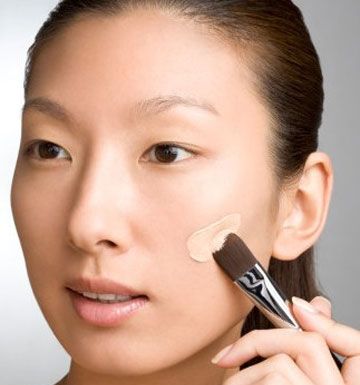
Clean pores are the gateway to radiant skin. While many women try to hide acne
with concealer and foundation,this often
compounds acne issues. Makeup can clog pores, which only worsens acne
breakouts. How can women still wear makeup without affecting pores? Which
cosmetics and beauty products are specifically designed for adults’ acne-prone
skin?
Exercise is an
essential part of a healthy lifestyle, but sweat can have negative consequences
on a person’s skin. How can women prevent the pore-clogging effects of sweating
while maintaining a regular exercise regimen? What are some simple choices –
like a new hairstyle – that can help prevent acne breakouts?
Sensitive skin
comes with a variety of symptoms, ranging from acne breakouts to allergic
reactions. Looking for solutions to sensitive skin challenges, including acne,
rosacea and other skin flare-ups? Understanding triggers can help create an
effective skincare routine for all skin conditions, ages and seasons. Use this
handbook as a guide to identifying and treating sensitive skin, to help
maintain gorgeous skin under any circumstances.
Menopause may be
a fact of life, but that doesn’t mean women have to resign themselves to dull
skin, thinning hair and other menopause-related symptoms. Since every woman’s
biology is different, there’s no single way to treat the side effects of
menopause. However, there are ways women can help to ease the transition.
Whether a woman is dealing with the internal effects of menopause, like
fluctuating hormones and unpredictable moods, or the external effects, like
adult acne and signs of aging, this Menopause and Beauty Handbook can help.
Women can find out how to care for changing skin, create at-home remedies and
give themselves necessary TLC during menopause. Plus, women can learn how to
create a complete anti-aging skincare regimen to help them reclaim healthy,
vibrant skin through menopause and beyond.
That is the question of every adult I have known because we know that acne just occurs in puberty stage. This is where teens’ oil glands, become so lively, produce excessive oil. That does not hold true at all because when you get older, you still have this hormones in your body which makes your skin still oily, but not as much as in your teenage stage. The best acne solution is to control the oil production on your face. Some of the ways are by washing your face twice a day, putting oil-control film or just a clean cloth to absorb oil and avoid oily food which contributes more to oil formulation in your oil glands.
Fact: Once you are an adult, you can still have acne because of your oil glands.
Smithsonian.com says “this is sort of true. But it’s sort of not. Here’s how acne really works:”
The first thing to know is that most acne is caused by a bacteria called Propionibacterium (P-bacteria) that lives on everybody’s skin. We all have it, and we always will. P-bacteria lives inside your sweat glands, near your hair follicles and release lipase, an enzyme that digests oil and produces fatty acids. When there’s a lot of oil on your skin, the enzyme goes to town and makes a ton of fatty acids. The body has proteins built in to attack bacteria, called antigens, and when there’s a whole lot of antigens your skin will get inflamed, and your hair follicle there will burst. Tada! Pimple.
Teenagers do tend to have more acne on average because they tend to produce more oil. But adults don’t escape the acne curse, because we still have P-bacteria, that still release lipase, that still produces fatty acids. Today I Found Out explains that something like 20 percent of adults will have facial blemishes their whole life. And adult women are far more likely to continue getting pimples than adult men—50 percent of women in their twenties report having acne and 25 percent of women in their forties still do.
Basically, you’re bound to have a pimple here and there for the rest of your life. Chances are they’ll show up at key moments, like your wedding day or job interview, but you can at least rest assured that everyone else is still getting pimples, too.




.jpg)


